Buying guides
Compare grinders, brewers, and the details that change a real home routine. Start with space, dose, maintenance, and service questions before you pay for a headline feature. The guides separate published specifications from hands-on claims and flag the questions a maker leaves unanswered. Work through the checklists in order, and keep a short note of the model, market, and source so any decision can be checked later.
These five guides cover the purchases that most often go wrong: grinder specs, entry-level hand grinders, coffee storage, a first espresso setup, and conical against flat burrs. Every page keeps published specifications beside the daily friction of owning the item, so an advantage on a spec sheet appears as a real trade-off instead of a score.
A page is filed here when its main job is helping someone decide what to buy, or what to buy next. Grinder specification reading and burr geometry are here because the numbers on the box need translating before they mean anything. Storage and the first espresso setup are here because both are decisions about a whole routine, not about a single product.
New buyers should read the grinder specification page before anything else, because grind quality constrains every method further down the line. Readers assembling an espresso station start with the first-setup page, which treats the machine as one part of a morning rather than the whole answer. The storage page suits anyone whose bag goes stale before it is finished.
The split from the rankings section matters. A ranking page takes an existing routine and shortlists tools for it, using the use-case as the fixed point. A buying guide starts earlier, when the routine itself is still being chosen, and explains the vocabulary needed to compare anything at all. Buyers with a settled habit usually want the rankings; buyers still forming one want this section.
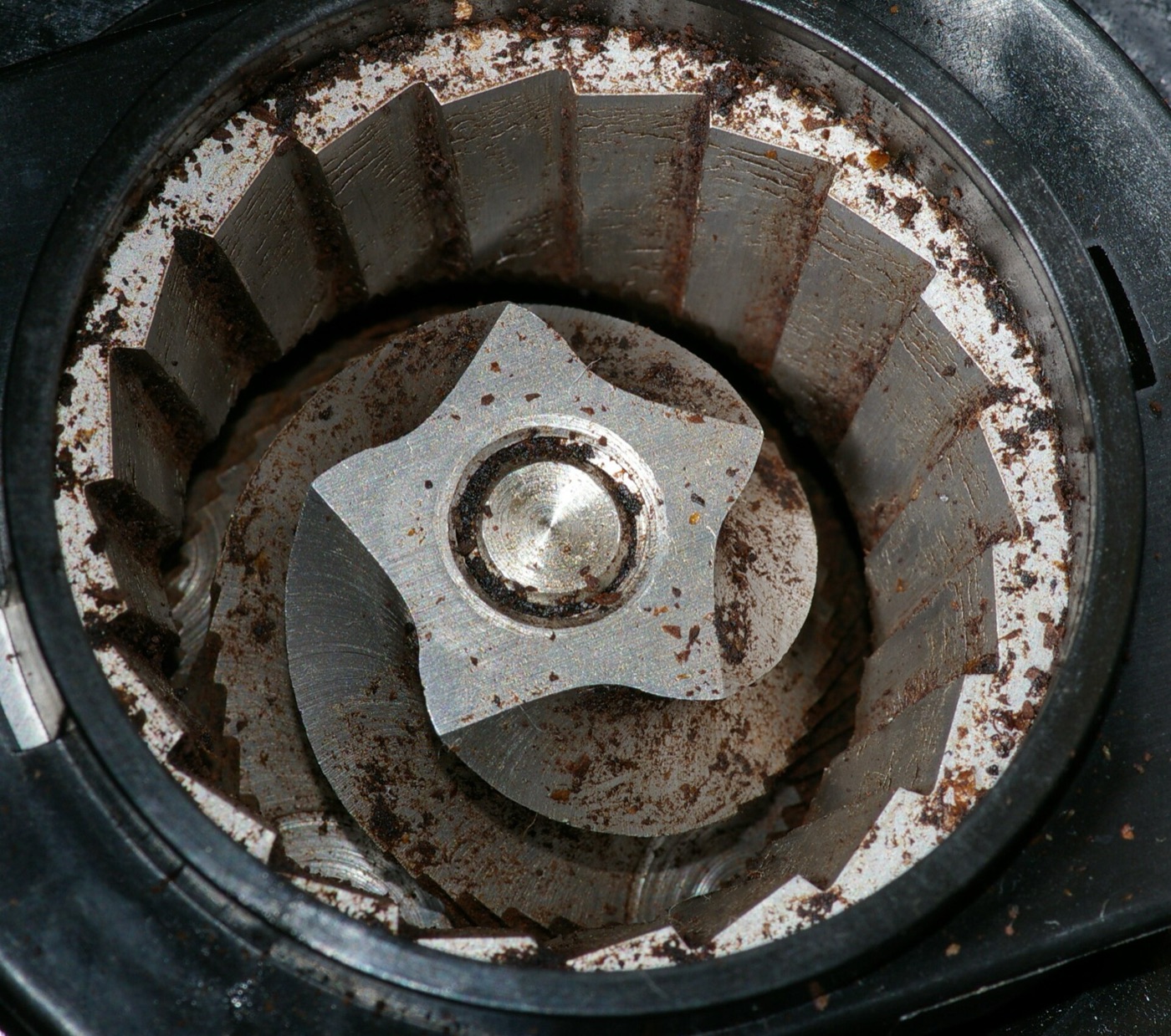
Pages that would amount to a price list are not published here, and neither are roundups that rank products by anything the desk cannot point to in public documentation. Entry-level hand grinders and burr geometry stay because both describe a decision a reader makes with information they already have. The category stays short on purpose, and a guide is added only when it answers a question the existing pages leave open.